



Smart Lighting Solutions for Efficient, Safe and Modern Spaces
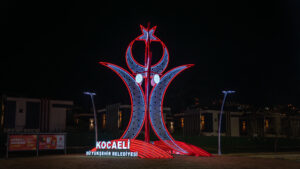
Smart lighting solutions provide more controlled and efficient light management in many areas, from cities and parks to roads and industrial facilities. Traditional systems are usually based on a fixed operating principle. However, new-generation lighting systems analyze environmental conditions, optimize energy consumption and deliver the right amount of light at the right time.
Today, municipalities, industrial facilities, residential site managements and outdoor project owners are not only looking for powerful lighting. They also need long-lasting, low-maintenance, remotely manageable and environmentally conscious systems. For this reason, smart lighting solutions have become a strategic investment in modern outdoor projects.
Table of Contents
- What Are Smart Lighting Solutions?
- How Do Smart Lighting Systems Work?
- Advantages in Terms of Energy Efficiency
- The Importance of Smart Lighting in Outdoor Areas
- What Should Be Considered When Choosing Smart Lighting?
- Frequently Asked Questions
- Conclusion
What Are Smart Lighting Solutions?
Smart lighting solutions enable light sources to work together with sensors, control software, timers and remote management systems. The purpose of these systems is not only to illuminate an area. They also aim to reduce energy consumption, increase safety and simplify maintenance processes.
For example, a street lighting system does not have to operate at the same level throughout the night. When traffic density decreases, the light level can be reduced. When motion is detected, the system can provide stronger illumination. In this way, energy savings are achieved without compromising safety.
Smart systems can operate with LED luminaires, motion sensors, daylight sensors, central control panels and wireless connection infrastructure. This structure offers significant management convenience, especially in large areas.
At this point, the quality of the supporting structure is as important as smart lighting solutions. Aluminum lighting poles, which stand out with their lightweight, durable and long-lasting structure, offer a modern and efficient solution for outdoor lighting projects.
How Do Smart Lighting Systems Work?
Smart lighting systems automatically adjust the light level by detecting environmental data. The system operates according to predefined scenarios. For example, lights turn on automatically at sunset. At sunrise, they turn off. In areas with motion sensors, a higher light level is activated only when needed.
Central control provides an important advantage in these systems. Authorized users can manage luminaires individually or in groups. In addition, faults can be detected more quickly. This allows maintenance teams to carry out field operations in a more planned way.
Smart lighting solutions may consist of the following basic components:
- LED luminaires
- Motion and daylight sensors
- Remote control modules
- Central management software
- Scheduling and automation scenarios
- Energy consumption monitoring system
Thanks to this structure, the lighting system becomes more than a group of products that only provide light. Instead, it turns into a measurable, manageable and improvable infrastructure.
Advantages in Terms of Energy Efficiency
As energy costs increase, efficiency in lighting systems becomes more important. Especially in streets, roads, parks, parking areas and industrial sites, lighting operates for long hours. Therefore, choosing the right system directly affects operating costs.
Smart lighting solutions reduce unnecessary energy consumption. This is because the system uses light only at the required level. For example, luminaires can operate at a lower level when daylight is sufficient. In areas without movement, the system can also reduce the light level.
In addition, LED technology offers a longer service life compared to traditional lighting products. Lower energy consumption, reduced maintenance needs and longer usage life decrease the total cost. For this reason, smart LED lighting systems are preferred in both public projects and private sector investments.
Energy-efficient lighting systems support lower consumption and more sustainable outdoor project planning. For official information on Türkiye’s energy efficiency goals, you can review the Ministry of Energy and Natural Resources’ national efficiency action plan.
The Importance of Smart Lighting in Outdoor Areas
Lighting plays a critical role in terms of safety and comfort in outdoor areas. Insufficient lighting may create risks in pedestrian paths, parks, parking areas and industrial fields. However, excessive lighting can also lead to energy waste and light pollution. At this point, smart lighting solutions offer a balanced approach.
Smart outdoor lighting operates according to the usage density of the area. For example, on a walking path, the light level can increase when motion is detected. When the area becomes empty, the system can switch to a lower level. In this way, user safety is maintained while energy consumption remains under control.
In municipal projects, these systems provide advantages especially in street, square, park and road lighting. In industrial facilities, they make a strong contribution to site safety, shift organization and operational efficiency. Companies working in outdoor lighting, such as Ekaldes, can create longer-lasting solutions with the right pole, luminaire and system selection for each project.
What Should Be Considered When Choosing Smart Lighting?
When choosing a smart lighting system, focusing only on product price does not lead to the right result. First, the purpose of use of the area should be analyzed. The needs of a park and an industrial site are not the same. Similarly, road lighting and decorative square lighting have different technical expectations.
The following criteria should be considered for the right selection:
- Size and usage density of the area
- Pole height and luminaire power
- Lumen value of the LED luminaire
- Light color and Kelvin value
- IP protection class
- Sensor and automation requirements
- Remote control infrastructure
- Ease of maintenance and service
- Energy consumption reporting feature
Durability is also an important criterion in outdoor projects. Luminaires must provide strong protection against rain, dust, wind and temperature changes. Therefore, IP protection class, body quality and installation safety must be evaluated carefully.
Smart lighting solutions deliver the highest performance when they are planned correctly. For this reason, product selection, site survey and technical analysis should be carried out together.
At this point, the quality of the supporting structure is as important as smart lighting solutions. Aluminum lighting poles, which stand out with their lightweight, durable and long-lasting structure, offer a modern and efficient solution for outdoor lighting projects.
Frequently Asked Questions
What are smart lighting solutions used for?
Smart lighting solutions manage the light level according to need. In this way, they save energy, increase safety and simplify maintenance processes. Since they also offer remote control, they create a management advantage in large areas.
Do smart lighting systems save energy?
Yes, these systems reduce unnecessary light usage. Thanks to sensors, scheduling and automation features, lighting operates only at the required level. As a result, energy consumption becomes more controlled.
Where is smart outdoor lighting used?
Smart outdoor lighting can be used in streets, roads, parks, gardens, squares, parking areas, factory sites, pedestrian paths and municipal projects. It also provides effective results in residential complexes and campus areas.
Can smart lighting systems be controlled remotely?
Yes, many smart lighting systems operate with remote control infrastructure. Authorized users can turn luminaires on and off, adjust light levels and monitor fault conditions through the system.
Is smart lighting expensive?
The initial investment cost may be higher than traditional systems. However, thanks to energy savings, low maintenance requirements and long service life, the total cost becomes more advantageous over time.
Conclusion
Smart lighting solutions have become one of the basic needs of modern cities and professional outdoor projects. These systems provide energy efficiency, increase safety and simplify management processes. They also support sustainable infrastructure goals with their environmentally conscious approach.
A correctly planned smart lighting system does not only meet today’s needs. It also reduces future maintenance, energy and management costs. Therefore, smart lighting solutions offer strong investment value in street, road, park, square, industrial area and municipal projects.
Ekaldes can develop solutions suitable for different areas with its outdoor lighting products and project-oriented approach. When the right luminaire, the right pole and the right control system come together, lighting becomes more efficient, safer and more sustainable.