



Decorative Pole Models
Table of Contents
- What Are Decorative Pole Models?
- Where Are Decorative Pole Models Used?
- Factors to Consider When Choosing Decorative Pole Models
- Materials and Durability
- Lighting Performance and Energy Efficiency
- Choosing the Right Decorative Pole for Your Project
- Frequently Asked Questions
- Conclusion
What Are Decorative Pole Models?
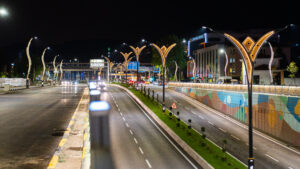
Decorative pole models play an essential role in modern outdoor lighting projects by combining functionality with architectural aesthetics. They are designed not only to illuminate outdoor spaces but also to enhance the visual appeal of parks, gardens, streets, public squares, residential communities, hotels, and commercial areas.
Unlike conventional lighting poles, decorative pole models contribute to the identity of a project while improving safety, visibility, and the overall user experience.
Where Are Decorative Pole Models Used?
Decorative pole models are suitable for a wide variety of outdoor environments. Municipalities, landscape architects, contractors, and developers frequently choose these lighting solutions for projects that require both performance and visual harmony. Common applications include:- Parks and gardens
- Streets and boulevards
- Public squares
- Walking and cycling paths
- Residential communities
- Hotels and resorts
- Shopping centers
- University campuses
Factors to Consider When Choosing Decorative Pole Models
Choosing decorative pole models requires evaluating several technical and aesthetic factors. The height of the pole, lighting distribution, material quality, corrosion resistance, and compatibility with LED luminaires all affect long-term performance. The architectural style of the project should also influence the design selection. Modern developments often benefit from minimalist pole designs, while heritage areas may require classic decorative styles.Materials and Durability
Outdoor lighting poles are continuously exposed to sunlight, rain, humidity, wind, and temperature fluctuations. Therefore, material selection is one of the most important factors affecting product lifespan. Steel, aluminum, and cast materials are commonly used in decorative pole manufacturing. Among these, aluminum lighting poles are increasingly preferred due to their lightweight structure, excellent corrosion resistance, and long service life. Protective surface treatments such as hot-dip galvanization and powder coating further improve durability while maintaining an attractive appearance. Steel, aluminum, and cast materials are commonly used in decorative pole manufacturing. Aluminum lighting poles are increasingly preferred because of their lightweight construction, superior corrosion resistance, and long service life. They offer an excellent solution for parks, streets, commercial developments, and landscape projects where durability and low maintenance are essential.Lighting Performance and Energy Efficiency
Lighting quality is just as important as appearance. Decorative pole models should provide uniform illumination without causing glare or excessive light pollution. LED technology has become the preferred solution because it offers:- High energy efficiency
- Long operational life
- Reduced maintenance costs
- Improved lighting quality
- Environmentally friendly performance