



Garden Decorative Lighting Systems: Aesthetic and Functional Solutions
Introduction
Garden decorative lighting systems are one of the most important elements of outdoor design. A well-planned lighting setup does more than improve visual appeal. It also increases safety, expands the use of outdoor spaces, and enhances comfort during evening hours.
Today, decorative garden lighting is widely preferred in both residential and commercial projects. With modern landscape design, lighting is no longer seen only as a basic need. Instead, it has become a strong design language that defines the character of outdoor areas.
For this reason, choosing the right products, placing them correctly, and creating a technical lighting plan are essential. A professional approach helps create outdoor spaces that look elegant, feel safe, and operate efficiently.
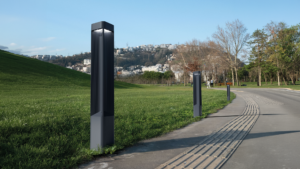
Table of Contents
What Are Garden Decorative Lighting Systems?
The Importance of Garden Lighting
Types of Garden Decorative Lighting
The Role of LED Technology
How to Plan Garden Lighting Correctly
Energy Efficiency and Savings
Professional Solutions with Ekaldes
Frequently Asked Questions
Conclusion
What Are Garden Decorative Lighting Systems?
Garden decorative lighting systems are outdoor lighting solutions used to create an aesthetic atmosphere and highlight specific areas. These systems can illuminate walking paths, emphasize plants, reveal architectural details, and improve the overall appearance of outdoor spaces.
They are commonly used in villa gardens, residential landscapes, hotel gardens, restaurant outdoor areas, parks, and commercial projects. With the right lighting plan, a garden can gain a completely different identity after sunset.
Decorative lighting also supports the design concept of the space. For example, soft and warm lighting can create a calm atmosphere, while focused lighting can highlight trees, sculptures, walls, or entrance areas.
The Importance of Garden Lighting
Decorative garden lighting is not only an aesthetic detail. It also provides functional benefits and makes outdoor areas more useful. A properly designed lighting system allows people to move safely and comfortably at night.
Garden lighting offers several important advantages:
It improves night visibility and increases safety.
It enhances the aesthetic value of the outdoor area.
It extends the use of gardens and terraces after dark.
It emphasizes landscape design elements.
It can increase the perceived value of the property.
Because of these benefits, garden lighting has become an essential part of modern outdoor living spaces. It creates both visual harmony and practical comfort.
Types of Garden Decorative Lighting
Garden lighting solutions vary according to the needs of each project. Every product type serves a different purpose. Therefore, using the right combination creates a stronger and more balanced lighting effect.
The most common types of decorative outdoor lighting include:
Garden lighting poles
In-ground lighting fixtures
Wall-mounted outdoor sconces
Solar garden lights
Pathway lighting fixtures
Accent lighting products
Garden lighting poles are usually preferred for walking paths, large gardens, and landscape areas. In-ground fixtures create a more architectural effect by highlighting trees, walls, or building facades. Wall-mounted sconces are ideal for entrances, terraces, and boundary walls.
Solar lighting products can support energy savings in suitable areas. However, their performance depends on sunlight exposure, battery quality, and the lighting needs of the project.
When these products are positioned correctly, they create layered lighting. This layered approach adds depth, improves visual balance, and creates a more professional outdoor atmosphere.
The Role of LED Technology
LED lighting is one of the most preferred technologies in outdoor decorative lighting. LED systems stand out because they consume less energy and offer a long service life.
In addition, LED fixtures provide different color temperature options. Warm white tones create a softer and more relaxing atmosphere, while neutral white tones support clearer visibility. This flexibility makes LED technology highly suitable for decorative use.
LED products can also be used with dimming systems, timers, and sensors. As a result, users can control both ambiance and energy consumption more effectively.
Thanks to their long-term cost advantage and environmentally friendly structure, LED lighting solutions have become a strong choice for modern garden projects.
For more technical information about the energy efficiency of LED lighting, you can review the International Energy Agency’s lighting data.
How to Plan Garden Lighting Correctly
A successful outdoor lighting design requires proper planning. Randomly placed lighting products may cause visual imbalance, glare, and unnecessary energy consumption.
First, the areas that need lighting should be clearly identified. Walking paths, seating areas, entrances, plant groups, walls, and decorative elements should be evaluated separately. Each area may need a different light level and fixture type.
For a broader overview of outdoor lighting planning, you can review our guide on garden lighting systems.
For a more detailed approach to outdoor lighting design, you can review our guide on garden lighting systems.
Light intensity should remain balanced throughout the garden. Very strong lighting may disturb the visual comfort of the space. On the other hand, weak lighting may fail to provide enough safety and functionality.
It is also important to reduce unnecessary light pollution. Lighting should focus only on the areas that need illumination. This approach creates a more elegant design and supports energy efficiency.
Energy Efficiency and Savings
Energy efficiency should always be considered when planning decorative outdoor lighting. With the right product selection, users can reduce energy costs and support a more sustainable lighting design.
LED fixtures and solar-powered systems are among the most efficient options for garden areas. Moreover, motion sensors and timer systems help prevent unnecessary energy use.
For example, pathway lights can operate with motion sensors, while decorative lights can work according to a programmed schedule. This type of control improves both comfort and savings.
In long-term projects, energy-efficient lighting products provide a clear advantage. They reduce maintenance needs, lower electricity consumption, and support environmentally conscious outdoor design.
Professional Solutions with Ekaldes
A professional approach directly affects the success of garden lighting projects. At this point, Ekaldes stands out with engineering-based solutions and a high-quality product range.
Ekaldes combines aesthetic expectations with technical requirements in outdoor lighting projects. This approach allows users to create long-lasting, efficient, and visually strong lighting systems.
With project-specific design and application support, the most suitable lighting plan can be created for each outdoor area. As a result, gardens, landscapes, and commercial outdoor spaces gain a more balanced and sustainable lighting structure.
Ekaldes offers solutions that support both visual impact and technical performance. Therefore, working with an experienced lighting partner helps ensure better results throughout the entire process.
Frequently Asked Questions
Why are garden decorative lighting systems important?
They improve the appearance of outdoor areas and increase safety at night. They also make gardens, terraces, and landscape areas more usable after dark.
What is the best garden lighting system?
The best system depends on the project needs. However, LED-based lighting solutions are generally among the most efficient and long-lasting options.
How should garden lighting be planned?
Lighting areas should be determined first. Then, the right fixture type, light intensity, and placement plan should be selected for each area.
Is solar garden lighting enough?
Solar lighting can be enough for areas with low lighting needs. However, larger outdoor spaces may require additional lighting systems.
Does garden lighting increase electricity consumption?
It may increase consumption if poorly planned. However, LED products, sensors, timers, and efficient fixtures can keep energy use at a low level.
Conclusion
Garden decorative lighting systems provide both aesthetic and functional benefits for outdoor spaces. With proper planning, quality product selection, and professional application, gardens can gain a more impressive atmosphere.
Lighting design should consider safety, visual comfort, energy efficiency, and long-term durability. Therefore, each project requires a clear strategy and the right technical approach.
Working with experienced companies such as Ekaldes helps users make accurate decisions throughout the process. This way, outdoor areas can achieve a strong visual identity and a sustainable lighting system.